
Category: Uncategorized

  • Sex Tips While Pregnant: Comfort, Closeness & Care

    Sex Tips While Pregnant: Staying Comfortable and Close
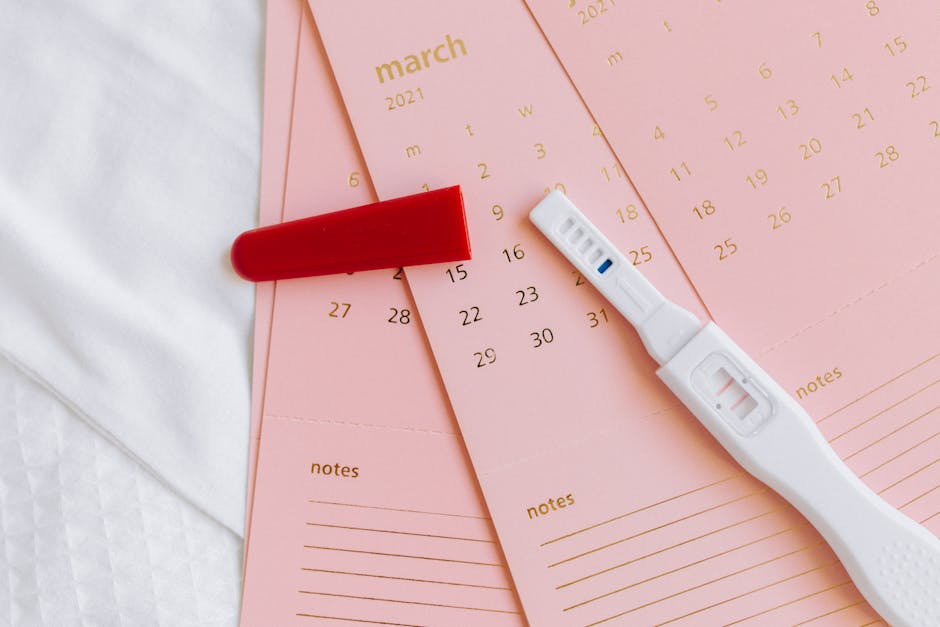
    Photo by Amina Filkins on Pexels

    Intimacy during pregnancy can feel wonderful, complicated, or somewhere in between, and all of those are okay. Your body is changing, your feelings might shift week to week, and closeness can mean many things right now. This gentle guide shares practical sex tips while pregnant so you and your partner can stay connected in ways that feel good for both of you.

    How to stay comfortable with sex while pregnant

    Comfort during pregnancy sex usually comes down to reducing pressure on your belly and back, and going at your own pace. As your body changes, positions and routines that once felt natural may need small adjustments. There is no single right way, only what feels good to you.

    Many people find these small changes help:

    • Use pillows or a body pillow to support your belly, hips, and lower back.
    • Try side-lying positions that keep weight off your abdomen.
    • Go slower and check in often about what feels comfortable.
    • Keep water nearby, since staying hydrated helps you feel your best. Our guide to pregnancy water intake has gentle tips.
    • Take breaks whenever you need them, with no pressure to continue.

    If anything feels off or you have questions about what is comfortable for your specific pregnancy, your OB-GYN, midwife, or healthcare provider is the right person to ask. For a fuller look at comfort, our pregnancy sex tips guide walks through it in more detail.

    Which positions many couples find easier during pregnancy

    The most comfortable pregnancy sex positions are usually ones that avoid lying flat on your back for long and keep pressure off your belly. What works best often changes as your body grows, so treat this as a starting point rather than a rulebook. Comfort matters more than anything else.

    Position Why some people like it Good to keep in mind
    Side-lying (spooning) Keeps weight off the belly, feels relaxed and close A pillow between the knees can add support
    You on top Lets you control depth, angle, and pace Nice when you want to move at your own speed
    Edge of the bed Takes pressure off your body while staying connected Cushions under you can help you feel supported
    Hands and knees Keeps weight off the belly entirely Go gently and stop if anything feels uncomfortable

    Every body and every pregnancy is different. If a position feels uncomfortable, that is your signal to change things, not to push through. Your provider can offer guidance tailored to you.

    How changing desire affects intimacy while pregnant

    Desire during pregnancy can rise, fall, or swing unpredictably, and every version of this is common. Hormones, tiredness, nausea, and simple day-to-day mood can all shape how you feel about sex. You are not doing anything wrong if your interest looks nothing like it did before.

    Some weeks you might feel more drawn to closeness than ever. Other weeks, rest or a quiet cuddle may sound better than anything else. Both are valid. According to the Mayo Clinic, sexual interest often changes throughout pregnancy, and that variation is a normal part of the experience for many people.

    Intimacy does not have to mean sex at all. Holding hands, long hugs, back rubs, and honest conversation all keep you close. A gentle way to stay connected to your own shifting feelings is to jot them down. The Lemon app lets you track your week, note how you are feeling, and save little moments as keepsakes, which can make it easier to share where you are with your partner.

    How to talk with your partner about sex during pregnancy

    The most helpful thing for pregnancy intimacy is open, low-pressure conversation about what each of you wants and worries about. Bodies and feelings are changing for both partners, and guessing rarely works. A short, honest chat prevents a lot of misunderstanding.

    Here are a few ways to start:

    1. Pick a calm moment, not the middle of an intimate one, to talk.
    2. Share how you are feeling physically and emotionally, without expecting your partner to read your mind.
    3. Ask what your partner is feeling too, since worries can go both ways.
    4. Agree that it is always okay to slow down, pause, or say no.
    5. Revisit the conversation as pregnancy goes on, because things keep changing.

    Many partners feel unsure or even nervous about sex during pregnancy. Naming that out loud usually takes the pressure down. If anxiety is weighing on either of you, our pregnancy anxiety tips may help you feel steadier.

    When to check with your provider about sex while pregnant

    You should talk with your OB-GYN, midwife, or healthcare provider about sex whenever you have questions or if they have given you specific guidance for your pregnancy. Some pregnancies come with individual recommendations, and only your provider knows your full picture. This article is not medical advice, and it cannot answer what is right for your body.

    Good moments to bring it up include:

    • At a regular prenatal visit, where questions are always welcome.
    • If you notice anything that feels concerning or unusual for you.
    • If your provider has already suggested changes to your activity.
    • Any time you simply want reassurance about what is okay.

    Asking is never silly. Providers hear these questions all the time, and a quick conversation can replace a lot of guessing with peace of mind.

    Frequently asked questions

    Is it safe to have sex during pregnancy? For many pregnancies, intimacy is a normal part of life, but safety depends entirely on your individual situation. Only your OB-GYN, midwife, or healthcare provider can tell you what is right for you, so it is worth asking directly.

    What if I have no interest in sex right now? A change in desire is common and does not mean anything is wrong with you or your relationship. Closeness can look like cuddling, talking, or simply resting together, and interest often shifts again as pregnancy goes on.

    How do I bring up my worries with my partner? Choose a relaxed moment and share honestly how you feel, then invite your partner to do the same. Framing it as a team conversation, rather than a problem, usually makes it feel easier for both of you.

    Can intimacy still be meaningful without sex? Yes, absolutely. Many couples find that hugs, massages, quiet time, and open conversation keep them just as connected, sometimes even more so, during these months.

    Wherever you land with intimacy right now, trust that there is no schedule you have to keep. Stay gentle with yourself and each other, keep the conversation open, and lean on your provider for anything health-related. Closeness comes in many forms, and the version that feels right for you is the right one.

    Track your pregnancy week by week

    Lemon is a free animated pregnancy tracker with a mood journal, weekly fruit comparisons, and updates for every stage.

    Try Lemon, it’s free

    A note from the Tinkrd Team: Lemon shares general information and encouragement for your pregnancy journey, not medical advice. Every pregnancy is different. For anything about your health or your baby’s health, please talk to your OB-GYN, midwife, or another qualified healthcare provider.
    T
    The Tinkrd Team

    We build small, thoughtful apps for parents and families. Lemon is our free pregnancy companion, made to help you feel a little more present through every week.



  • Due Date Calculator Pregnancy Week by Week Guide

    Due Date Calculator and Your Pregnancy, Week by Week
    Photo by Nataliya Vaitkevich on Pexels

    Finding out roughly when your baby might arrive is one of the first tender, exciting moments of pregnancy. Maybe you feel thrilled, maybe you feel a flutter of nerves, and maybe you feel both at once. That is completely okay, and this guide is here to walk with you.

    A due date calculator for pregnancy week by week helps you turn one estimated date into a gentle, week-by-week map of your pregnancy. Below, you will find how the calculation works, what each stretch of weeks tends to bring, and simple ways to plan, reflect, and take care of yourself along the way.

    How a due date calculator works, and what week by week really means

    A due date calculator estimates your due date by counting 40 weeks from the first day of your last menstrual period. That is the most common method, and it is the same starting point many providers use. Because of how the counting works, week one begins before conception, which surprises a lot of people.

    Here is the short version of the math many calculators use:

    • They take the first day of your last period.
    • They add 280 days, or 40 weeks.
    • That gives you an estimated due date, sometimes shortened to EDD.

    Your due date is an estimate, not a deadline. According to ACOG, only a small share of babies actually arrive on their exact due date, and a full-term arrival can happen across a range of weeks. Your provider may adjust your date after an early ultrasound, and that is a routine part of care. For a warmer, step-by-step walkthrough of that first big number, our gentle guide to the pregnancy due date calculator covers it beautifully.

    “Week by week” simply means breaking those 40 weeks into smaller pieces so pregnancy feels less like one enormous unknown and more like a series of small, understandable steps.

    Your pregnancy week by week, trimester by trimester

    Pregnancy is usually divided into three trimesters, and each one tends to carry its own feelings, questions, and planning tasks. Every pregnancy is different, so treat the table below as a friendly overview, not a rulebook. What you feel and when you feel it can vary widely, and none of it is a measure of whether you are doing this right.

    Stage Weeks What many people focus on
    First trimester Weeks 1 to 13 Confirming pregnancy, choosing a provider, early appointments, resting when you can
    Second trimester Weeks 14 to 27 Sharing news if you choose to, feeling first movements, mid-pregnancy check-ins
    Third trimester Weeks 28 to 40 plus Preparing your space, packing a bag, birth preferences, nesting

    Following along week by week gives you gentle anchors. Instead of one distant date, you get little markers that help you know what to think about now and what can wait. If you are someone who calms down with information, this rhythm can be genuinely soothing. If too much detail makes you anxious, feel free to check in only when you want to.

    The first trimester, weeks 1 to 13

    The first trimester is often a mix of big emotions and a body that is quietly doing a lot. This is a lovely time to start a few gentle habits. You might begin a simple journal, jot down the day you found out, or write a short note to your baby. There is no pressure to feel any particular way, whether that is glowing joy, worry, exhaustion, or a blur of everything.

    The second trimester, weeks 14 to 27

    The second trimester is when many people start to feel a bit more settled and energized, though not everyone does, and that is fine too. This is a common time to feel first movements, plan a nursery corner, and think about who you want around you. It can be a sweet window for planning without the last-stretch intensity.

    The third trimester, weeks 28 to 40 and beyond

    The third trimester tends to bring nesting energy, a fuller calendar of appointments, and a growing to-do list. Many people pack a hospital or birth bag, wash tiny clothes, and talk through birth preferences with their provider. It is normal for excitement and nervousness to sit side by side here.

    Turning your due date into a gentle week by week plan

    You can turn your estimated due date into a calm, week-by-week plan by breaking the months ahead into small, doable moments. The goal is not to do everything at once. The goal is to give each part of pregnancy a little breathing room so nothing piles up at the end.

    Here is a simple way to start:

    1. Write down your estimated due date and today’s week.
    2. Pick one small focus for the current week, like a question to ask your provider.
    3. Add appointments and any classes to a calendar so they feel handled.
    4. Leave space for rest. Not every week needs a task.
    5. Save one keepsake per stage, like a photo, a note, or a feeling you want to remember.

    This is where a tracker can quietly do the heavy lifting for you. Lemon is a free animated pregnancy tracker that shows your baby’s growth week by week and helps you keep little notes and milestones in one gentle place. Many expecting parents like opening it for a soft moment of connection, then closing it without a rabbit hole of worry. You can find it at lemon.tinkrd.com whenever a warm, simple check-in sounds nice.

    Alongside your plan, a few steady self-care habits help the weeks feel kinder. Gentle routines around rest, movement your provider approves, and hydration can make a real difference in how you feel day to day. Our notes on staying hydrated during pregnancy and thinking through foods that feel good to eat are easy places to start, and your provider is always the best source for what is right for you.

    What to journal and reflect on as the weeks pass

    Journaling week by week turns a due date into a keepsake you will treasure later. You do not need to be a writer, and you do not need to do it daily. Even a few words per week can capture the shape of this time in a way photos alone cannot.

    If you would like some prompts, try these across your weeks:

    • The moment you found out, and who you told first.
    • How your body feels this week, in your own words.
    • A hope or a small worry, written down and set free.
    • The first movement you noticed, if and when it comes.
    • A name idea, a dream, or a song stuck in your head.
    • Something you want to remember to tell your baby someday.

    Writing can also be a soft outlet when feelings run high. Pregnancy brings tender moments, and putting words on the page can ease some of the weight. If anxiety feels heavy or persistent, please be gentle with yourself and reach out for support. Our ideas for easing pregnancy anxiety offer some calming starting points, and your provider or a mental health professional can help you find steady ground.

    Frequently asked questions

    How accurate is a due date calculator? A due date calculator gives a solid estimate, not a guarantee, since it counts 40 weeks from your last period. Babies arrive across a range of weeks, and your provider may fine-tune the date after an early ultrasound. Think of it as a helpful target, not a fixed deadline.

    Can my due date change? Yes, your due date can be adjusted, most often after an early ultrasound that offers a closer look at timing. This is a normal part of care and does not mean anything is wrong. Your provider will let you know which date they are using going forward.

    What week of pregnancy am I in? You can find your current week by counting from the first day of your last period, which is what most calculators and trackers do for you. An app like Lemon updates this automatically so you always know your week at a glance. Your provider can confirm your dating at appointments.

    Is following pregnancy week by week helpful or overwhelming? Following along week by week helps many people feel calmer and more prepared, because it breaks a long stretch into small, understandable pieces. If the details ever feel like too much, it is completely okay to check in less often. You get to set the pace that feels right for you.

    When should I start planning for the baby? There is no single right time to start planning, and many people spread tasks gently across all three trimesters. Doing a little at a time tends to feel calmer than saving everything for the end. Follow your energy, and lean on your support people when you can.

    Wherever you are in these weeks, remember that your due date is one gentle marker in a much bigger, personal story. Take it one small step at a time, celebrate the little moments, and trust your provider for anything medical. You are doing beautifully, and you do not have to figure it all out today.

    Track your pregnancy week by week

    Lemon is a free animated pregnancy tracker with a mood journal, weekly fruit comparisons, and updates for every stage.

    Try Lemon, it’s free

    A note from the Tinkrd Team: Lemon shares general information and encouragement for your pregnancy journey, not medical advice. Every pregnancy is different. For anything about your health or your baby’s health, please talk to your OB-GYN, midwife, or another qualified healthcare provider.
    T
    The Tinkrd Team

    We build small, thoughtful apps for parents and families. Lemon is our free pregnancy companion, made to help you feel a little more present through every week.


  • Pregnant Belly Week by Week: A Gentle Guide

    Your Pregnant Belly Week by Week: What to Expect and Cherish
    Photo by Nino Souza on Pexels

    Watching your body change is one of the most personal parts of expecting a baby. Some weeks you might feel proud and amazed, and other weeks you might feel unsure or a little overwhelmed. All of that is welcome here. This gentle guide walks through your pregnant belly week by week so you know what tends to happen and how to hold onto the moments that matter.

    How a pregnant belly changes week by week

    A pregnant belly grows gradually and unevenly across the three trimesters, and the timing looks different for everyone. In the first weeks you may notice very little on the outside even though a lot is happening inside. As the weeks pass, your uterus rises higher and your bump becomes more visible. Below is a general at-a-glance view, not a rulebook.

    Stage Approximate weeks What many people notice
    Early first trimester Weeks 1 to 8 Often no visible bump yet, sometimes bloating
    Late first trimester Weeks 9 to 13 Clothes may start to feel snug
    Second trimester Weeks 14 to 27 A rounder, more noticeable bump for many
    Third trimester Weeks 28 to 40 Higher, firmer belly and more movement felt

    Remember that belly size is not a scorecard. Your height, whether this is a first pregnancy, your build, and your baby’s position all shape how a bump looks. If you ever have questions about your growth, your provider is the right person to ask.

    First trimester: when the changes are mostly on the inside

    In the first trimester, most of the changes to your belly are internal rather than visible. Many people do not show much during weeks 1 to 13, and that is common. You might feel bloated, notice your waistband getting tight, or feel tender before you ever see a bump.

    This is a tender, exciting stretch, and it can also come with a lot of feelings. If your emotions feel big right now, you are not alone, and our pregnancy anxiety tips may help you feel more settled. A few gentle ways to care for yourself and mark this time:

    • Take a first belly photo, even if there is nothing to see yet. Future you will love it.
    • Jot down how you found out and how you felt in that first moment.
    • Keep comfortable, loose clothing nearby for bloated days.
    • Rest when your body asks for it, without guilt.

    Second trimester: the bump many people can finally see

    The second trimester, roughly weeks 14 to 27, is when a pregnant belly becomes noticeable for many people. Your uterus grows up and out of your pelvis, so a rounder bump often appears somewhere in this window. This is also when a lot of expecting parents start to feel more energetic and more like themselves again.

    This is a lovely season for capturing your belly week by week. A steady photo routine now will show a clear, moving story by the end. Some ideas:

    • Take your bump photo in the same spot, same angle, and similar lighting each week.
    • Hold up a small card with the week number so the timeline is easy to follow later.
    • Write a sentence or two about any first flutters of movement you feel.
    • Note the little things, like which foods sound good and how your sleep is going.

    Staying nourished and hydrated helps you feel your best as your body works hard. You might find our notes on pregnancy water intake and pregnancy safe foods handy for gentle, everyday ideas. For anything specific to your body, check with your provider.

    Third trimester: a higher, fuller belly and lots of movement

    In the third trimester, from about week 28 to birth, your belly usually sits higher and feels firmer, and you often feel your baby move more distinctly. Your bump may shift shape as your baby grows and changes position. Toward the very end, some people notice their belly drops lower as the baby settles down, though the timing varies widely.

    This stage can feel both stretchy and stunning. Skin across your belly may feel tight or itchy as it expands, and you might see stretch marks appear. Those are simply your skin doing its work, and they are yours to feel however you feel about them. According to Mayo Clinic, stretch marks are common during pregnancy and often fade over time. Ways to stay comfortable and connected now:

    • Keep a soft, supportive routine for resting your back and hips.
    • Record how movements feel, since your baby has more of a personality on the inside now.
    • Finish your belly photo series with a full-term picture you will treasure.
    • Write a short letter to your baby about these final weeks of waiting.

    How to document your belly week by week and love the process

    Documenting your belly week by week is easiest when you pick one simple habit and repeat it. Consistency, not fancy equipment, is what makes a bump timeline feel magical to look back on. Here is a gentle plan you can start any week.

    1. Choose a day of the week that is your bump photo day.
    2. Pick a consistent spot with decent light and a plain background.
    3. Stand at the same angle each time so the growth is easy to see.
    4. Add one line of journaling, like a mood, a craving, or a milestone.
    5. Store everything in one place so nothing gets scattered across your phone.

    Lemon, our free animated pregnancy tracker app, is a lovely home for this. You can follow your week by week progress with soft, animated visuals and keep your notes and reflections gathered in one calm place, so your belly timeline and your memories live together. Whatever tool you choose, the goal is the same: make it easy enough that you actually keep it up.

    Frequently asked questions

    When will my pregnant belly start to show? Many people begin to show somewhere in the late first trimester or second trimester, though it varies a lot. First pregnancies often show a little later than later ones. Your body, build, and baby’s position all play a role, so try not to compare your timeline to anyone else’s.

    Is it normal for my belly to look smaller or bigger than others at the same week? Belly size differs widely from person to person, and week to week comparisons rarely tell the full story. So many factors shape how a bump looks. If you ever feel worried about your growth, the best step is to talk with your OB-GYN, midwife, or healthcare provider.

    How often should I take belly photos? Once a week is a popular rhythm because it captures steady change without feeling like a chore. Some people prefer every two weeks, which still shows lovely progress. Pick whatever cadence you can keep up with happily.

    What should I write alongside my belly photos? Short, honest notes tend to age best, like your current mood, a craving, a first kick, or a hope for your baby. You do not need to write a lot. One or two heartfelt lines each week become a keepsake you will love rereading.

    Your belly has its own pace, and there is no single right way for it to look or feel. Take the photos, write the small notes, and be kind to yourself on the days that feel heavy. Years from now, this week by week story will be one of the sweetest things you kept.

    Track your pregnancy week by week

    Lemon is a free animated pregnancy tracker with a mood journal, weekly fruit comparisons, and updates for every stage.

    Try Lemon, it’s free

    A note from the Tinkrd Team: Lemon shares general information and encouragement for your pregnancy journey, not medical advice. Every pregnancy is different. For anything about your health or your baby’s health, please talk to your OB-GYN, midwife, or another qualified healthcare provider.
    T
    The Tinkrd Team

    We build small, thoughtful apps for parents and families. Lemon is our free pregnancy companion, made to help you feel a little more present through every week.


  • Postpartum Anxiety: Gentle Support for New Parents

    Postpartum Anxiety: A Caring Guide for the Early Weeks
    Photo by Jonathan Borba on Pexels

    The days after your baby arrives can hold so many feelings at once. Joy, exhaustion, tenderness, and yes, worry that sometimes feels bigger than you expected. If your mind keeps racing or your body feels wired even when you are tired, you are not alone, and you are not doing anything wrong.

    This guide is here to help you understand postpartum anxiety in gentle, everyday terms, and to give you practical ways to care for yourself. It is not medical advice. Think of it as a calm friend sitting beside you, reminding you that support exists and that reaching out is a sign of strength.

    What postpartum anxiety can feel like

    Postpartum anxiety is a heightened, persistent sense of worry that some parents experience after birth. It often shows up as racing thoughts, restlessness, or a hard time settling even when the baby is calm. Many people describe it as a mind that will not switch off.

    Everyone experiences it differently, and there is no single right way to feel. Some parents notice their worry centers on the baby’s safety. Others feel a general unease that is harder to name. Understanding what you are feeling can be the first step toward talking about it with someone who can help.

    Some experiences parents describe include:

    • Thoughts that loop and are hard to slow down
    • Feeling on edge or unable to relax
    • Trouble sleeping even when there is a chance to rest
    • Checking on the baby far more than feels comfortable
    • A tight chest, a fast heartbeat, or a knot in the stomach
    • Worrying about worst-case scenarios that feel very real

    Please remember that this article cannot tell you what any feeling means for you. Only a qualified provider can do that. If any of this sounds familiar, it is worth mentioning at your next visit or sooner.

    Postpartum anxiety and the baby blues are not the same thing

    The baby blues and postpartum anxiety describe different experiences, and knowing the difference can help you decide when to reach out. The baby blues often involve mood swings and tearfulness in the first couple of weeks, and they tend to ease on their own. Anxiety that lingers, grows, or interferes with daily life is worth talking about with your provider.

    Here is a simple at-a-glance comparison. This is for general understanding only, not for diagnosing yourself.

    What you might notice Baby blues Postpartum anxiety
    Main feeling Weepiness, mood swings Persistent worry, racing thoughts
    Timing Often the first couple of weeks Can start anytime in the first months
    How long it lasts Usually eases on its own Tends to linger or grow without support
    Effect on daily life Comes and goes Can make rest and routines feel hard

    For a trustworthy overview of postpartum mental health, the Mayo Clinic is a solid place to start reading. And when something feels off, your provider is always the right person to ask.

    Gentle, practical ways to cope day to day

    Small, steady self-care habits can ease the load of postpartum anxiety, even when they cannot fix everything. The goal is not to do it all perfectly. It is to build a few gentle anchors into your day that give your nervous system a break.

    Many parents find these small practices helpful:

    1. Slow your breath. When worry spikes, try breathing in for four counts and out for six. A longer exhale can help your body feel calmer.
    2. Step outside. A few minutes of fresh air and daylight can shift how the day feels, even on tired mornings.
    3. Lower the bar on purpose. Some days, keeping everyone fed and safe is more than enough. Let the rest wait.
    4. Limit the late-night scrolling. Searching symptoms at 3 a.m. tends to feed worry rather than calm it.
    5. Move gently. A short walk or easy stretch can release some of the tension anxiety stores in the body.
    6. Name the worry out loud. Saying it to a partner or friend often makes it feel smaller than when it stays in your head.

    Basic care for your body matters too. Staying nourished and hydrated helps you feel steadier, and our guides on staying hydrated and gentle food choices can carry into the postpartum weeks. When it comes to anything medical, your provider is the one to guide you.

    Journaling and tracking your feelings can help you see patterns

    Writing down how you feel gives postpartum anxiety somewhere to go besides your head. A short daily note can help you spot patterns, like times of day when worry peaks or things that reliably soothe you. It also gives you something concrete to share with your provider.

    You do not need to write pages. A few honest lines are plenty. You might jot down:

    • How you slept and how rested you feel
    • Moments that felt calm or steady today
    • Worries that keep circling back
    • One small thing that helped, even a little
    • What you might want to ask your provider

    Tracking apps can make this easier when your hands are full. Lemon, our free animated pregnancy and early-parenthood tracker, gives you a soft, simple space to log how you are feeling and keep little notes without any pressure to perform. Seeing your days laid out gently can remind you that hard moments pass, and that you are moving through this one step at a time.

    If you started reflecting during pregnancy, our pregnancy anxiety tips pair naturally with the habits you build now.

    Building your support circle before and after birth

    A ready support circle is one of the most protective things you can set up for the postpartum weeks. Anxiety often gets louder in isolation, so planning ahead for company and help can make a real difference. You do not have to carry any of this alone.

    Think about who and what could lighten the load:

    • A partner or co-parent who knows to watch for when you seem overwhelmed
    • A few close people you can text honestly, not just the polished version
    • Practical help for meals, laundry, or holding the baby while you rest
    • Your provider as your go-to for any health questions or concerns
    • A parent group, online or local, where others understand these early weeks

    It can help to tell one trusted person in advance: “If I seem really anxious after the baby comes, please check on me and remind me to reach out.” Naming it ahead of time makes it easier to accept help later, when asking feels harder.

    When to reach out to your provider

    Reach out to your provider whenever anxiety is making daily life hard, and do not wait for it to reach a certain point first. There is no worry too small to mention, and asking early often means gentler support. Your provider has seen this many times and will not think less of you for asking.

    Consider contacting your provider if you notice:

    • Worry that does not ease or keeps growing
    • Trouble sleeping even when the baby is asleep and safe
    • Feeling unable to eat, rest, or care for yourself
    • Intrusive thoughts that scare or distress you
    • A sense that things feel too heavy to manage alone

    If you ever have thoughts of harming yourself or your baby, treat it as urgent and reach out right away to your provider, a crisis line, or emergency services. In the United States, you can call or text 988 to reach the Suicide and Crisis Lifeline any time. Groups like ACOG recognize postpartum mental health as an important part of your care, so you are absolutely right to ask for support.

    How partners and loved ones can help

    Partners and loved ones play a powerful role in easing postpartum anxiety by offering steady, practical presence. You do not need the perfect words. Showing up, taking things off the plate, and listening without rushing to fix goes a long way.

    Small, meaningful ways to support someone you love:

    • Take over a task without being asked, like a night feeding or the dishes
    • Ask “how are you really doing?” and then just listen
    • Protect their rest, even if it means guarding the phone or the door
    • Notice changes gently and encourage a call to the provider
    • Remind them that needing help is normal and expected

    Avoid phrases like “just relax” or “you should be happy.” They rarely help, even when they come from love. Simple, warm presence tends to land far better than advice.

    Frequently asked questions

    Is postpartum anxiety common? Many parents experience some degree of heightened worry after birth, so if you are feeling this way, you are far from alone. Because everyone’s experience is different, your provider is the best person to talk with about what you are noticing.

    How long does postpartum anxiety last? There is no single timeline, and it varies a lot from person to person. Some feelings ease with rest and support, while others benefit from a provider’s guidance. If it is lingering or growing, that is a good reason to reach out.

    Can I have postpartum anxiety even if I did not feel anxious during pregnancy? Yes, these feelings can begin after birth even if pregnancy felt calm. It can also start weeks or months later, not only in the first days. Whenever it shows up, it is worth mentioning to your provider.

    What can I do tonight if the worry feels overwhelming? Try a few slow breaths with a longer exhale, tell someone how you are feeling, and set the phone down instead of searching symptoms. If it feels like too much to manage, contact your provider or a crisis line right away.

    Will asking for help affect how my provider sees me as a parent? No. Reaching out shows care and awareness, and your provider expects and welcomes these conversations. Asking for support is one of the most loving things you can do for yourself and your baby.

    Postpartum anxiety can feel isolating, but it does not have to be faced alone. Be patient with yourself, lean on the people around you, and let your provider help carry what feels too heavy. You are doing something hard and important, and taking it one gentle day at a time is more than enough.

    Track your pregnancy week by week

    Lemon is a free animated pregnancy tracker with a mood journal, weekly fruit comparisons, and updates for every stage.

    Try Lemon, it’s free

    A note from the Tinkrd Team: Lemon shares general information and encouragement for your pregnancy journey, not medical advice. Every pregnancy is different. For anything about your health or your baby’s health, please talk to your OB-GYN, midwife, or another qualified healthcare provider.
    T
    The Tinkrd Team

    We build small, thoughtful apps for parents and families. Lemon is our free pregnancy companion, made to help you feel a little more present through every week.



  • Pregnancy Viability Week by Week: A Gentle Guide

    Pregnancy Viability Week by Week: What It Means and How to Cope
    Photo by Nataliya Vaitkevich on Pexels

    If you have found yourself searching for pregnancy viability week by week, you are probably holding a lot of feelings at once. Hope, worry, and a wish for something solid to stand on. That is such a human place to be, and you are not alone in wanting to understand what the word viability actually means as the weeks pass.

    This guide walks through what viability refers to, how the meaning shifts across pregnancy, and how to care for your heart while you wait. It is not medical advice. It is a calm companion for the emotional and practical side of this tender time.

    What pregnancy viability actually means

    Pregnancy viability refers to the point at which a pregnancy is likely to continue or, later on, when a baby could survive outside the womb. The word carries different meanings depending on the stage, and that can be confusing when you are reading it late at night.

    In early pregnancy, providers often use viability to describe whether a pregnancy is developing as expected at that moment. Later in pregnancy, the term shifts to mean the point at which a baby might survive with medical support if born early. These are two different ideas wearing the same word.

    Here is the most important thing to hold onto. Viability is a medical concept that your own provider assesses using your history, your dates, and any scans or tests they perform. No article, chart, or app can tell you where your specific pregnancy stands. For anything about your body or your baby, your OB-GYN, midwife, or healthcare provider is the person to ask.

    A few plain definitions that come up often:

    • Early viability usually refers to signs that a pregnancy is progressing at a given check.
    • The viability threshold later in pregnancy refers to the earliest point a baby might survive outside the womb with care.
    • Fetal viability is a term you may hear from your provider, and it is best understood in the context of your own pregnancy, not a general rule.

    How viability shifts across the weeks

    The meaning of viability changes as pregnancy moves from the first trimester toward the third. Understanding this shift can help you make sense of what you read and hear, and it can ease some of the confusion that fuels late night worry.

    In the earliest weeks, viability is about whether the pregnancy is developing. As weeks pass and you move into the second and third trimesters, the conversation slowly changes to focus on survival if a baby were born early. According to ACOG, care around an early birth is highly individual and involves many factors, which is why these conversations always belong with your own care team.

    Here is a gentle at-a-glance view of how the language tends to shift. These are general framings, not milestones your pregnancy must hit, and not predictions about any specific outcome.

    Stage What viability tends to mean here Where to bring your questions
    First trimester Whether the pregnancy is developing as expected at that check Your provider, at your appointments and scans
    Second trimester Continued development, with early survival conversations sometimes beginning near the later part Your provider, who knows your full picture
    Third trimester Growing likelihood of survival if born early, with support Your provider and care team

    Notice that every row points back to your provider. That is on purpose. The general framing helps you understand the words, but only your care team can speak to your pregnancy. If you want a warm, non-clinical overview of how each stage tends to feel and unfold, our week by week pregnant guide walks through the stages with the same gentle spirit.

    The emotional side of waiting for reassurance

    Waiting to feel reassured about viability can bring real anxiety, and that anxiety deserves care, not judgment. Many expecting parents describe counting days, refreshing search results, and feeling their stomach drop at every twinge. If that is you, please know it makes sense.

    Your mind is trying to protect you by looking for certainty. The hard truth is that pregnancy rarely offers the kind of certainty we crave, especially early on. So the work becomes learning to hold hope and worry at the same time without one crushing the other.

    A few gentle practices that many people find steadying:

    • Set boundaries around searching. Give yourself a short window to look things up, then close the tabs. Endless scrolling rarely brings peace.
    • Write down your questions as they come up, so you can bring them to your next appointment instead of carrying them alone.
    • Name the feeling. Saying “I am scared right now” to yourself or a partner can soften its grip.
    • Anchor to the present. Right now, in this moment, you are doing the things you can do. That is enough.

    If worry is taking up a lot of space, our pregnancy anxiety tips offer more gentle, practical ways to cope. And if anxiety feels heavy or constant, please tell your provider. Emotional support is part of your care, not a bother.

    Practical ways to plan and journal through the uncertainty

    You can create small pockets of steadiness by gently organizing your questions, appointments, and reflections. Planning does not remove uncertainty, but it can give your worried mind something kind and concrete to do.

    Start with a simple system for the things you actually control. Here is a checklist many expecting parents find grounding:

    1. Keep one place for questions. A note in your phone or a small notebook where every question lands, so nothing gets lost.
    2. Track your appointments and how you felt after each one. Reassurance can fade fast, and notes help you remember.
    3. Write down what you want to ask your provider about viability or anything else, in plain words, even if it feels silly.
    4. Jot a short reflection each week. A sentence or two about how you are feeling can become a meaningful keepsake later.
    5. Note the small joys. A craving, a dream, a moment of hope. These are worth saving too.

    This is where a gentle tracker can help. Lemon is a free animated pregnancy tracker that lets you follow your weeks and keep private notes and reflections in one calm place. Many people use it to hold their questions between appointments and to save the small moments they do not want to forget. It is a companion for the emotional and planning side, not a substitute for your care team.

    Journaling through uncertainty can also help you look back and see how far you have come. On a hard day, reading your own words from a few weeks earlier can be quietly powerful.

    Caring for yourself while you wait

    Taking care of your body and your routines gives you something steady to hold when so much feels out of your hands. Self-care during this time is not about doing everything perfectly. It is about small, kind choices that help you feel a little more like yourself.

    Some gentle areas to tend to:

    • Rest. Sleep and downtime matter, and worry can make both harder. Give yourself permission to slow down.
    • Movement that feels good. A short walk or gentle stretch can ease tension. Ask your provider about what fits your pregnancy.
    • Nourishment. Eating in a way that feels manageable helps you feel cared for. Our guide to pregnancy safe foods can take some of the guesswork out of everyday choices.
    • Hydration. Staying hydrated is a simple daily anchor. Our notes on pregnancy water intake keep it easy and low pressure.
    • Connection. Telling one trusted person how you feel can lighten the load.

    For any question about what is safe or right for your body, your provider is the one to guide you. Trusted general information from sources like Mayo Clinic can help you understand terms before an appointment, but it does not replace personalized care.

    Be tender with yourself on the hard days. Some pregnancies carry more worry than others, and some involve loss or complications that no amount of preparation can prevent. If you are grieving or frightened, you deserve real support. Reach out to your provider, a counselor, or a loved one. You do not have to hold this alone.

    Frequently asked questions

    What does viability mean in early pregnancy? In early pregnancy, viability usually refers to whether a pregnancy appears to be developing as expected at a given check. The term is assessed by your provider using your dates, history, and any scans. Only your care team can speak to your specific pregnancy.

    Can an app or chart tell me if my pregnancy is viable? No. Apps, charts, and articles can help you understand the words and track your weeks, but they cannot assess viability. That is a clinical judgment your OB-GYN, midwife, or healthcare provider makes. Use tools like a tracker for planning and reflection, and bring your questions to your appointments.

    Why does the meaning of viability change over the weeks? The word shifts because early pregnancy is about whether a pregnancy is developing, while later pregnancy conversations focus on whether a baby could survive if born early. The same term describes two different ideas depending on the stage. Your provider will use it in the context of your own pregnancy.

    How can I cope with anxiety about viability? Many people find relief by limiting how much they search, writing questions down for their provider, and leaning on a trusted person or routine. Gentle self-care and journaling can create small pockets of calm. If anxiety feels heavy or constant, tell your provider, because emotional support is part of your care.

    Is it normal to feel scared even when everything seems fine? Feeling scared during pregnancy is very common, and worry can show up even in reassuring moments. Your feelings are valid, and they do not mean anything is wrong. Naming the fear, sharing it, and bringing it to your provider can help you carry it more gently.

    Wherever you are in your weeks, you are allowed to feel however you feel. Let your care team guide the medical questions, and let yourself have small comforts, honest reflections, and support along the way. You are doing something brave just by showing up for each day.

    Track your pregnancy week by week

    Lemon is a free animated pregnancy tracker with a mood journal, weekly fruit comparisons, and updates for every stage.

    Try Lemon, it’s free

    A note from the Tinkrd Team: Lemon shares general information and encouragement for your pregnancy journey, not medical advice. Every pregnancy is different. For anything about your health or your baby’s health, please talk to your OB-GYN, midwife, or another qualified healthcare provider.
    T
    The Tinkrd Team

    We build small, thoughtful apps for parents and families. Lemon is our free pregnancy companion, made to help you feel a little more present through every week.


  • Pregnancy Due Date Calculator: How It Works

    Pregnancy Due Date Calculator: Your Gentle Guide to That First Big Date
    Photo by Nataliya Vaitkevich on Pexels

    Finding out roughly when your baby might arrive is one of the first sweet, slightly surreal moments of pregnancy. Maybe you are excited, maybe you are nervous, maybe you are refreshing the calendar over and over. All of that is welcome here. Let’s walk through what a pregnancy due date calculator actually tells you, how the date is estimated, and how to hold that date gently.

    What a pregnancy due date calculator does

    A pregnancy due date calculator estimates the day your baby is most likely to arrive, usually around 40 weeks from the first day of your last menstrual period. It takes a starting point, adds the typical length of a pregnancy, and gives you a single date to circle on the calendar. That date is called your estimated due date, and the key word is estimated.

    Here is the gentle truth. Only about 1 in 20 babies actually arrive on their exact due date, according to ACOG. Most babies arrive in the couple of weeks around it. So think of your due date less as a deadline and more as the center of a window. It helps you and your provider plan, track milestones, and know roughly where you are in the whole experience.

    A calculator is a quick estimate, not a diagnosis. Your OB-GYN or midwife will confirm and sometimes adjust your date using their own tools. If your number and theirs differ, theirs is the one to trust.

    How your due date is estimated

    Your due date is most often estimated by adding 280 days, or 40 weeks, to the first day of your last menstrual period. This is the classic method, and many calculators use a shortcut called Naegele’s rule to do the math for you. You do not need to memorize any of this, but knowing the logic makes the date feel less mysterious.

    There are a few common starting points a calculator might use:

    Method What it uses Good to know
    Last menstrual period (LMP) The first day of your last period The most common method. Works best with regular cycles.
    Conception date The day you think conception happened Helpful if you were tracking ovulation closely.
    Ultrasound dating Baby’s measurements at an early scan Your provider uses this. An early scan is often the most precise.
    IVF transfer date The embryo transfer day Very specific, since the timeline is known.

    Because the standard formula assumes a 28-day cycle with ovulation around day 14, your real date may shift a little if your cycles run longer or shorter. This is completely common, and it is exactly why your provider may refine the estimate later. For a plain-language overview of dating, the Mayo Clinic is a calm, trustworthy place to read more.

    What you need before you calculate

    To use a pregnancy due date calculator, you mostly need one piece of information: the first day of your last period. That single date gets you a solid first estimate. A few extra details can make it more personal, but they are optional.

    Here is a short checklist to have handy:

    • The first day of your last menstrual period, if you know it.
    • Your usual cycle length, if your cycles are longer or shorter than 28 days.
    • A conception or ovulation date, if you were tracking one.
    • Any early ultrasound date or measurement your provider has shared.

    If you are not sure of your last period, that is okay and very common. Plenty of people have irregular cycles or simply did not write the date down. In that case, an early scan with your provider will usually give the clearest picture, so try not to worry about getting the perfect input on your own.

    Reading your result without the pressure

    Your due date is a helpful anchor, not a promise, so hold it loosely and let it guide your planning rather than run your emotions. Once you have a date, it is natural to start counting weeks, imagining seasons, and picturing the moment you meet your baby. That daydreaming is a lovely part of this.

    A few gentle ways to frame the number:

    • Think in windows, not days. Most babies arrive within a couple of weeks on either side of the estimate.
    • Use it to pace yourself. The date helps you map out appointments, time off work, and when to start bigger tasks.
    • Expect it to possibly shift. A dating scan can move your date a few days in either direction, and that is routine.
    • Let it be a milestone marker. Each week you pass is worth noticing, whatever the final date turns out to be.

    If the countdown starts to stir up worry rather than excitement, you are not alone. Many expecting parents feel a swirl of anticipation and nerves. Some quiet grounding routines can help, and we gathered a few in our post on pregnancy anxiety tips.

    Turning your due date into a plan

    Your due date works best as the backbone of a simple, week-by-week plan that spreads tasks out instead of piling them at the end. Once you know roughly where you are, you can break the months ahead into manageable pieces and actually enjoy the process.

    A loose trimester-by-trimester rhythm many people find useful:

    Stretch of time Gentle focus
    First trimester Confirm your date with your provider, start a simple journal, take care of yourself.
    Second trimester Plan bigger tasks, think about the nursery, tell people if and when you want to.
    Third trimester Pack a bag, finalize your preferences, rest, and let the date guide the final countdown.

    This is also a lovely time to build small self-care habits that carry through all three trimesters. Simple things like staying comfortable with your pregnancy water intake and getting curious about pregnancy safe foods can become part of your daily rhythm. Keep any specific health questions for your provider, and let these habits be gentle, not another to-do list to stress over.

    This is where a tracker can quietly do the counting for you. Lemon is a free animated pregnancy tracker that turns your due date into a week-by-week view of where you are, with space to jot down how you are feeling and save little milestones as keepsakes. It is a soft, low-pressure way to watch the weeks go by without living inside a calculator.

    Why your due date might change

    Your due date can shift by a few days after an early ultrasound, and that adjustment is a normal part of care, not a sign anything is wrong. Early scans measure your baby directly, so your provider may use that to fine-tune the estimate you got from a calculator.

    Common reasons a date might be adjusted:

    • An early dating ultrasound gives a more precise measurement.
    • Your cycle is longer or shorter than the standard 28 days.
    • You were unsure of your last period date to begin with.
    • Later measurements prompt your provider to revisit the timeline.

    If your date changes, try not to read too much into the shift itself. It simply reflects better information. Update your journal, adjust your plans, and let your provider be the source of truth for anything medical. A small change on paper does not change the care and love already going into this.

    Making the date part of your memories

    Your due date can be a beautiful entry point for journaling and keepsakes, turning a single number into a story you will treasure later. The day you first calculated it, how you felt, who you told first, all of that is worth writing down while it is fresh.

    A few prompts to capture the moment:

    1. Write down the exact day you found your due date and where you were.
    2. Note the season your baby is expected in, and what you are imagining.
    3. Record your first reaction, whether it was joy, disbelief, nerves, or all three.
    4. Jot a short letter to your baby about the day you first pictured meeting them.
    5. Save the first photo or screenshot connected to the news.

    These small notes become priceless later. Years from now, the exact due date may blur, but the feeling of that first calculation will still be there in your own words. That is the real magic of writing it down.

    Frequently asked questions

    How accurate is a pregnancy due date calculator?
    A pregnancy due date calculator gives a solid estimate, but it is not exact, since only about 1 in 20 babies arrive on the predicted day. Most arrive within a couple of weeks on either side. Your provider can refine the estimate with an early ultrasound.

    Can I use a due date calculator with irregular periods?
    You can, though the result may be less precise if your cycles vary a lot. Entering your usual cycle length helps, and an early scan with your provider often gives the clearest date. Try not to worry if your own math feels uncertain.

    What if I do not know my last period date?
    That is very common, and it is okay. You can still get an estimate from a conception or ovulation date if you tracked one, and your provider can date the pregnancy from an early ultrasound. Bring what you have to your first appointment.

    Does my due date change if I have twins?
    The estimate itself is calculated the same way, but multiples often arrive earlier than a single baby. Your provider will guide you on what to expect and will monitor the timeline closely. Lean on them for anything specific to your situation.

    Should I share my due date publicly?
    That is entirely your call, and there is no right answer. Some people love sharing it right away, others prefer to keep it close or give a general month instead. Do whatever feels comfortable and protects your peace.

    Your due date is the first of many small milestones, a starting line rather than a finish line. Hold it gently, use it to plan at your own pace, and let it be a date you look back on fondly. However your weeks unfold, you are already doing a beautiful job of showing up for your baby.

    Track your pregnancy week by week

    Lemon is a free animated pregnancy tracker with a mood journal, weekly fruit comparisons, and updates for every stage.

    Try Lemon, it’s free

    A note from the Tinkrd Team: Lemon shares general information and encouragement for your pregnancy journey, not medical advice. Every pregnancy is different. For anything about your health or your baby’s health, please talk to your OB-GYN, midwife, or another qualified healthcare provider.
    T
    The Tinkrd Team

    We build small, thoughtful apps for parents and families. Lemon is our free pregnancy companion, made to help you feel a little more present through every week.


  • Pregnancy Journal: How to Start and What to Write

    How to Keep a Pregnancy Journal You'll Actually Love
    Photo by www.kaboompics.com on Pexels

    Some days of pregnancy feel like a blur, and some moments you never want to forget. A pregnancy journal gives those feelings a home. It is a simple, kind way to slow down, notice what is happening in your body and heart, and leave yourself something to look back on later.

    You do not need to be a writer or have a pretty notebook. You just need a few minutes and a little honesty. Here is how to start one and keep it going, even on the tired days.

    What a pregnancy journal is and why it helps

    A pregnancy journal is a personal record of your thoughts, feelings, and milestones during pregnancy. It can live in a paper notebook, a phone app, a voice memo, or a mix of all three. There is no wrong format, and there is no rule that you have to write every day.

    Keeping one tends to help in a few gentle ways. It gives your busy mind a place to unload, which many people find calming. It captures small details you will otherwise forget, like the first flutter or the food you suddenly could not resist. And it becomes a keepsake, something you might share with your child one day or simply reread yourself.

    Think of it less as homework and more as a conversation with your future self. You are not performing. You are just noticing your life as it changes.

    How to start a pregnancy journal

    Start a pregnancy journal by picking one format you will actually reach for and writing a single short entry today. The best journal is the one that fits your real habits, not the one that looks nicest on a shelf.

    1. Pick your format. Choose a notebook, an app, a notes file on your phone, or voice recordings. If deciding feels hard, start with the notes app you already open every day.
    2. Set a low bar. Aim for one or two sentences per entry. A short habit you keep beats a long one you abandon.
    3. Choose a trigger. Attach journaling to something you already do, like your morning tea or the moment you get into bed.
    4. Write your first entry now. Note the date, how many weeks along you are, and one thing you feel right now. That is a real entry.
    5. Forget about catching up. If you miss days or weeks, just start again from today. There is nothing to make up for.

    Some people love a structured book with printed prompts and blanks to fill in. Others feel boxed in by that and prefer a blank page. Neither is better. Try one, and switch if it is not working.

    What to write in your pregnancy journal

    Write whatever is true for you that day, from big emotions to tiny practical notes. If you want more structure, prompts make it much easier to start. Here are ideas grouped by what they capture.

    Type of entry Prompt ideas
    Feelings How do I feel about this pregnancy today? What am I excited or nervous about?
    Milestones First appointment, first kick, first time telling someone, hearing the heartbeat.
    Body notes Energy levels, cravings, sleep, what my body is doing lately.
    Messages to baby A short note to your baby about your day, your hopes, or your family.
    Practical planning Questions for my provider, name ideas, things to research, to-do lists.
    Gratitude One small good thing that happened today.

    You do not have to touch every category. On a hard day, a single line like “tired but okay” is enough. On a full day, you might write pages. Both count.

    If anxious thoughts keep showing up in your entries, that is very common, and writing them down can take some of their weight off. For more gentle ideas on this, our guide to pregnancy anxiety tips pairs well with a regular journaling habit. Your journal is a great place to notice patterns, but it is not a substitute for talking to your provider about how you are feeling.

    Digital versus paper pregnancy journals

    A digital pregnancy journal is easier to keep with you and add to on the go, while a paper journal offers a screen-free, tactile keepsake. Many people end up using both, so it helps to know the tradeoffs before you commit.

    Digital journal Paper journal
    Always with you Yes, on your phone Only when you carry it
    Add photos and audio Easily Not really
    Screen-free calm No Yes
    Physical keepsake Can be printed later Yes, right away
    Quick to start Very Depends on the notebook

    If you like tracking milestones alongside your notes, a dedicated app can make it feel effortless. Lemon is a free animated pregnancy tracker that shows your baby’s growth week by week, and it gives you a warm, easy place to jot down how you are feeling as you go. It is a nice fit if you want your reflections and your milestones living in one spot.

    How to keep the habit going

    Keep a pregnancy journal going by making it small, forgiving, and tied to a moment you already have. Consistency comes from ease, not willpower. These habits help the most.

    • Lower the stakes. Give yourself permission to write one line. Momentum matters more than length.
    • Keep it visible. Leave the notebook on your nightstand or pin the app to your home screen.
    • Use trimester checkpoints. Even if daily writing fizzles, do a longer entry at the start of each trimester and after appointments.
    • Include the practical stuff. Jot down questions for your provider or notes about your water intake and the foods you are enjoying, so the journal earns its keep.
    • Drop the guilt. A journal with gaps is still a beautiful record. Missed days are not failures.

    Some weeks you will write a lot. Some weeks nothing. That rhythm is the honest shape of pregnancy, and your journal is allowed to reflect it.

    Frequently asked questions

    When should I start a pregnancy journal?
    You can start a pregnancy journal at any point that feels right, whether that is the day you find out, after your first appointment, or midway through. There is no perfect week to begin. If you want to capture early feelings you have already had, just write them down now from memory.

    What should I write in a pregnancy journal each week?
    A simple weekly entry can note how many weeks along you are, how you are feeling, one milestone or memory, and anything on your mind for your provider. Keep it short so it stays sustainable. Prompts help when you are not sure what to say.

    Do I need to buy a special pregnancy journal book?
    No, you do not need a special book, though many people enjoy having one. A plain notebook, a phone notes app, or a tracker app all work just as well. Choose whatever you will actually open.

    Is it okay to write about hard or scary feelings?
    Yes, your journal is a safe place for the full range of what you feel, including fear, grief, and doubt. Writing hard things down can ease their weight. If those feelings feel heavy or persistent, please also share them with your provider, who can offer real support.

    Your pregnancy journal does not need to be polished or complete. It just needs to be yours. Whatever you manage to capture, in whatever form, will be something you are glad to have kept. Start small, be kind to yourself, and let it grow at its own pace.

    Track your pregnancy week by week

    Lemon is a free animated pregnancy tracker with a mood journal, weekly fruit comparisons, and updates for every stage.

    Try Lemon, it’s free

    A note from the Tinkrd Team: Lemon shares general information and encouragement for your pregnancy journey, not medical advice. Every pregnancy is different. For anything about your health or your baby’s health, please talk to your OB-GYN, midwife, or another qualified healthcare provider.
    T
    The Tinkrd Team

    We build small, thoughtful apps for parents and families. Lemon is our free pregnancy companion, made to help you feel a little more present through every week.


  • Hidden Pregnancy Signs: The Subtle Early Clues

    Hidden Pregnancy Signs: The Quiet Clues You Might Miss
    Photo by cottonbro studio on Pexels

    Sometimes the earliest hints of pregnancy are loud, but often they are whisper quiet. You might notice something small and wonder if it means anything at all. This is a gentle look at the hidden pregnancy signs some people notice, and kind ways to make sense of what you are feeling while you wait.

    What are hidden pregnancy signs?

    Hidden pregnancy signs are the subtle, easy-to-overlook changes that some people notice before or around the time they suspect they might be pregnant. They tend to be quieter than the classic signs like a missed period or nausea. Think of a strange metallic taste, a shift in how smells hit you, or feeling weepy over something that would not usually move you.

    These signs are personal. Some people notice a handful, others notice none at all, and both are common. It is worth saying clearly: no sign, hidden or obvious, can confirm a pregnancy. Only a test and your provider can do that. What these clues can do is prompt you to pause, pay attention, and maybe take a test when the timing is right.

    Subtle physical signs people sometimes overlook

    The physical hidden pregnancy signs often show up as small, quiet shifts rather than dramatic changes. They can blend into everyday life, which is exactly why they slip past unnoticed. Here are some that people mention when they look back.

    • A metallic taste. Some describe a coppery or tinny taste that lingers, sometimes making familiar foods taste off.
    • Heightened sense of smell. Scents you barely noticed before, like coffee, perfume, or cooking, can suddenly feel overpowering.
    • Mild cramping or twinges. Some people notice light sensations low in the belly that they might otherwise brush off.
    • Feeling unusually warm. A sense of running a little hot, especially at night, is something some people recall.
    • Bloating. A puffy, full feeling that can be easy to blame on food or a regular cycle.
    • Changes in the mouth. Increased saliva or a change in how your gums feel are things some notice.

    Because so many of these overlap with everyday life and with the lead-up to a period, they are genuinely hard to read. If you want to explore what the very earliest window can feel like, our guide to the very early signs of pregnancy at 1 week walks through it gently.

    Emotional and mood clues that hide in plain sight

    Emotional shifts are among the most overlooked hidden pregnancy signs because they are so easy to explain away. You might feel more tearful, more irritable, or oddly flat, and assume it is stress, tiredness, or your cycle. Only later do some people connect those feelings to early pregnancy.

    Common emotional clues people mention include:

    • Feeling weepy over small things, like a commercial or a kind text.
    • A short fuse or feeling more sensitive than usual.
    • A foggy, hard-to-focus feeling.
    • Vivid or unusually memorable dreams.
    • A vague sense that something feels different, without being able to name it.

    None of these prove anything on their own. Mood ebbs and flows for so many reasons. Still, if you are feeling anxious while you wait to find out, you are not alone, and there are gentle ways to steady yourself. Our pregnancy anxiety tips offer some calm, practical ideas for the in-between days.

    Hidden signs versus classic signs at a glance

    Hidden pregnancy signs differ from classic ones mainly in how noticeable they are. Classic signs tend to be the ones people already associate with pregnancy, while hidden signs are quieter and more easily mistaken for something else. Here is a simple side-by-side to help you picture the difference.

    Classic signs (often noticed) Hidden signs (easy to miss)
    A missed period A metallic taste in the mouth
    Nausea or queasiness A sudden, sharper sense of smell
    Tender breasts Feeling weepy or extra sensitive
    Noticeable tiredness Vivid dreams or a foggy mind
    Food cravings Mild bloating or feeling warm

    Remember, this is just a way to organize what people commonly describe. It is not a checklist to diagnose yourself. Bodies are wonderfully varied, and your experience is yours alone.

    Why these signs are so easy to miss

    Hidden pregnancy signs slip past because they overlap with ordinary life and with the normal rhythm of a cycle. Many of the same feelings show up before a period, during a busy stretch at work, or after a poor night of sleep. Your body does not hand you a tidy label, so the clues get filed under stress or tiredness.

    A few reasons these signs stay under the radar:

    • They are mild, so they do not demand attention.
    • They resemble premenstrual feelings almost exactly.
    • They come and go, which makes them easy to dismiss.
    • Everyday explanations, like a busy schedule, fit just as well.

    This is exactly why gentle tracking helps. When you jot down small changes over a few days, patterns can become easier to see than they are in the moment. If you would like to read more about how those first days can feel, our piece on the first signs of being pregnant is a warm place to start.

    Gentle ways to notice and track subtle changes

    The best way to work with hidden pregnancy signs is to notice them without pressure and write them down. A light, judgment-free record helps you spot patterns and gives you real details to share with your provider later. It also becomes a sweet keepsake if a pregnancy is confirmed.

    Here is a simple, low-stress way to start:

    1. Keep a short daily note. One or two lines about how you feel, physically and emotionally.
    2. Log the small stuff. Taste changes, smells, mood shifts, sleep, and energy all count.
    3. Note the date. Timing matters, especially around when a period is expected.
    4. Skip the judgment. There is no right or wrong to record. Just write what is true for you.
    5. Wait for the right time to test. Testing too early can be confusing, so follow the test instructions and your provider’s guidance.

    If you want a calmer place to do this, the free Lemon app gives you a gentle, animated way to track how you are feeling day by day and keep those early notes in one soft, private spot. It is a kind companion for the wait and beyond, without any pressure.

    For anything health-related, lean on your provider. General, trustworthy background on early pregnancy is available from ACOG and Mayo Clinic, but your OB-GYN or midwife is the person to answer questions about your body.

    When to take a test and talk to your provider

    The most reliable next step after noticing hidden pregnancy signs is to take a home test at the right time and check in with your provider. Signs alone, no matter how many you count, cannot confirm or rule out a pregnancy. A test can, and your provider can help you understand the result.

    A gentle timeline many people follow:

    • Notice and jot down what you are feeling.
    • Wait until the test packaging suggests testing, often around or after a missed period, for a clearer result.
    • Take the test following the instructions carefully.
    • Reach out to your provider to confirm and plan next steps, whatever the result.

    If you are in the earliest, most uncertain stretch, our reflections on the 1st sign of pregnancy may bring some comfort while you wait. And if you have questions about caring for yourself in these early days, gentle habits like staying hydrated and choosing foods you feel good about can be nice things to focus on. Always run specifics past your provider.

    Frequently asked questions

    Can you have hidden pregnancy signs and still get a negative test? Yes, this can happen, especially if you test very early. Signs are not proof, and a test taken too soon may not give a clear answer. If your period does not arrive, it is worth retesting and talking with your provider.

    Are hidden pregnancy signs the same for everyone? No, they vary a lot from person to person and even from one pregnancy to the next. Some people notice several subtle changes, while others notice nothing at all. Neither experience says anything is wrong.

    How early can these subtle signs show up? Some people say they noticed small changes within the first week or two, while others noticed nothing until much later. Because early clues overlap so much with everyday life, they are genuinely hard to pin down. A test and your provider give the real answers.

    Should I worry if I do not have any hidden signs? Not at all. Many people feel completely normal in early pregnancy and go on to have a perfectly ordinary experience. The absence of signs is just as common as noticing them.

    Can stress cause symptoms that mimic pregnancy signs? Yes, stress and tiredness can create feelings that look a lot like early pregnancy clues. That overlap is a big reason these signs are so easy to misread. When in doubt, test at the right time and check with your provider.

    Whatever you are noticing right now, it is okay to feel curious, hopeful, or nervous all at once. Hidden pregnancy signs can be intriguing, but they are only quiet clues, not answers. Be gentle with yourself, jot down what feels true, and lean on your provider for anything that matters most.

    Track your pregnancy week by week

    Lemon is a free animated pregnancy tracker with a mood journal, weekly fruit comparisons, and updates for every stage.

    Try Lemon, it’s free

    A note from the Tinkrd Team: Lemon shares general information and encouragement for your pregnancy journey, not medical advice. Every pregnancy is different. For anything about your health or your baby’s health, please talk to your OB-GYN, midwife, or another qualified healthcare provider.
    T
    The Tinkrd Team

    We build small, thoughtful apps for parents and families. Lemon is our free pregnancy companion, made to help you feel a little more present through every week.


  • Pregnancy Week by Week 31: Your Guide to This Week

    Pregnancy Week by Week 31: What This Week Can Feel Like
    Photo by Daniel Reche on Pexels

    Reaching pregnancy week by week 31 can feel like a strange mix of excitement and impatience. You are firmly in the third trimester now, and the finish line is close enough to think about, yet still far enough to feel a little unreal. However you are feeling this week, tired, tender, thrilled, or all three at once, that is a valid place to be.

    This guide walks through the emotional side of week 31, the planning that tends to matter now, and gentle ways to hold onto these weeks before they pass. It is not medical advice. For anything about your body or your baby, your provider is always the right person to ask.

    What Week 31 Often Feels Like Emotionally

    Week 31 often brings a wave of anticipation mixed with fatigue. Many expecting parents describe this week as the point where the reality of meeting their baby starts to feel close and vivid. That can be joyful and overwhelming at the same time, sometimes within the same hour.

    You might notice your mind racing at night, cycling through names, nursery details, or worries you cannot quite name. This is common. A lot of people find their emotions feel bigger and closer to the surface in the third trimester. Being tired can amplify all of it.

    Here are feelings that show up often around this week:

    • Impatience. Nine months feels long, and the last stretch can feel the longest.
    • Nesting energy. A sudden urge to organize, clean, or prepare can appear out of nowhere.
    • Tenderness. Small things, a tiny onesie, a kind word, may bring quick tears.
    • Anxiety about the unknown. Birth, recovery, and life after can loom large.

    None of these mean you are doing anything wrong. If anxious thoughts start to feel heavy or hard to shake, it helps to talk them through. Our guide to pregnancy anxiety tips has gentle ideas, and your provider can help too if worry is affecting your sleep or daily life.

    Your Body and Energy Around Week 31

    At week 31, your body is doing steady, significant work, and slowing down is normal. You may feel more physical pressure, more frequent trips to the bathroom, and a shift in how you sleep. This is a season where rest is not lazy, it is part of the work.

    We will not describe what is typical or not for your body, because every pregnancy is different and only your provider can speak to your situation. What we can offer is permission to be gentle with yourself. If your usual pace feels impossible right now, that is worth honoring rather than fighting.

    A few caring, non-medical ways many people support themselves this week:

    • Break big tasks into smaller pieces and spread them across days.
    • Keep water within reach, since staying hydrated tends to matter more now. Our note on pregnancy water intake has simple ideas.
    • Sit down for parts of tasks you used to do standing.
    • Say yes to help, and be specific about what would actually make your week lighter.

    For questions about sleep positions, comfort, movement, or anything happening in your body, ask your OB-GYN or midwife. The American College of Obstetricians and Gynecologists offers general third trimester guidance you can review with them at ACOG.

    Practical Planning to Focus On Now

    Week 31 is a good moment to move from big-picture planning into specific, doable tasks. You still have time, so there is no need to rush, but small steps now can save stress later. The goal is to feel a little more ready each week without overwhelming yourself.

    Here is a simple week 31 focus list to pick from, not a to-do list to conquer all at once:

    1. Start or refine your hospital bag list. You do not have to pack yet. Just jot down what you want to bring.
    2. Talk through logistics. Who drives, who to call, where the car seat goes, and how pets or older kids are cared for.
    3. Sort out leave and finances. Confirm dates, paperwork, and any coverage details while you have energy for it.
    4. Prep the baby’s space. Wash a few essentials, set up a changing area, and place things where you can reach them one-handed.
    5. Stock the kitchen gently. Some people find comfort in prepping easy meals for after. If you want ideas on what feels good to keep on hand, see our list of pregnancy safe foods.

    Here is a quick way to sort tasks by urgency so nothing feels like everything at once:

    Priority Examples Why now
    Do soon Leave paperwork, install car seat plan, choose provider contacts These have deadlines or take coordination
    Nice to do Wash baby clothes, draft hospital bag list, prep freezer meals Low pressure, comforting to check off early
    Can wait Final nursery decor, birth playlist, thank-you notes These are fun to save for later weeks

    Journaling and Capturing Week 31

    Week 31 is a beautiful week to write things down, because the details you notice now are easy to forget later. You are in a specific, fleeting chapter, and small notes become treasured keepsakes. Journaling also gives busy, buzzing thoughts somewhere to land.

    You do not need to be a writer. A few honest sentences count. If you are not sure where to start, try one of these prompts this week:

    • What did I feel the moment I woke up today?
    • What am I most looking forward to about meeting you?
    • What am I nervous about, and what would help me feel steadier?
    • What does an ordinary day look like right now, before everything changes?
    • What do I want to remember about this exact week?

    Tracking week by week also helps you feel connected to the changes as they happen. The Lemon app is a free animated pregnancy tracker that lets you follow along each week and keep little notes and milestones in one gentle place. Many people find that a simple weekly check-in makes the time feel more real and less blurry.

    If photos are your thing, a weekly bump photo in the same spot and pose makes a lovely series. Add a quick caption with the date and one feeling, and you have a keepsake with almost no effort.

    Gentle Self-Care Routines for This Week

    Self-care at week 31 works best when it is small, repeatable, and genuinely restful. Grand gestures are hard right now. Tiny rituals you can actually keep are what carry you through the third trimester. The aim is comfort and steadiness, not productivity.

    Some simple ideas many expecting parents lean on:

    • A short wind-down routine. Dim lights, a warm drink, and ten quiet minutes before bed can ease a racing mind.
    • Movement that feels good. A slow walk or gentle stretching, only if your provider says it fits your situation.
    • A worry dump. Write down every worry on paper so your brain can set it down for the night.
    • Connection. A short call or text with someone who makes you feel understood.
    • One kind thing. A nap, a favorite show, a snack you love, without guilt.

    Be careful with comparison this week. Social media makes it easy to feel behind, whether that is nursery photos or how someone else’s pregnancy looks. Your pace is your own. If you have been following along since earlier weeks, you might enjoy revisiting our pregnancy week by week guide to see how far you have come.

    What to Ask and Watch For With Your Provider

    Week 31 is a natural time to bring your growing list of questions to your provider. Appointments often become more frequent in the third trimester, which gives you regular chances to ask what is on your mind. Writing questions down beforehand means you actually remember them in the room.

    We cannot tell you what is normal or concerning, because that is your provider’s role and it depends entirely on you. What we can suggest is keeping a running list so nothing gets lost. Questions people often bring around this stage include:

    • What should my birth preferences look like, and how do I share them?
    • What signs mean I should call you, and what number do I use after hours?
    • How will upcoming appointments change in the coming weeks?
    • What can I do now to prepare for recovery?

    Keep a notes list on your phone or in your tracker so you can add questions the second they pop up. For general, trustworthy background reading before an appointment, Mayo Clinic keeps a helpful overview of the third trimester at Mayo Clinic. Bring anything you read to your provider so they can tailor it to you.

    Frequently asked questions

    How many weeks pregnant am I at week 31?
    At pregnancy week by week 31, you are 31 weeks along and in your third trimester. Counting can feel confusing, so if you want to confirm your exact dates or due date, your provider is the best person to check with.

    Is it too early to pack my hospital bag at week 31?
    It is not too early to start thinking about it, though many people wait a little longer to fully pack. Week 31 is a comfortable time to make your list and gather items slowly, so packing later feels quick and calm.

    Why do I feel so emotional at 31 weeks?
    Big feelings are very common in the third trimester as anticipation, fatigue, and change all build up. If your emotions start to feel unmanageable or affect your daily life, please reach out to your provider, who can offer real support.

    What should I be doing at 31 weeks pregnant?
    Focus on rest, gentle planning, and connecting with your baby in whatever way feels good to you. There is no perfect checklist, so choose the few tasks that lower your stress most and let the rest wait.

    When should I start counting down to the due date?
    Many people begin thinking seriously about their due date and final preparations around this point in the third trimester. Try to hold the date loosely, since babies arrive on their own timing, and lean on your provider for anything date-related.

    Week 31 is a tender, full chapter, and there is no single right way to move through it. Be gentle with your energy, jot down the moments you want to keep, and bring your questions to the people who care for you. You are closer than you were, and you are allowed to take this one week at a time.

    Track your pregnancy week by week

    Lemon is a free animated pregnancy tracker with a mood journal, weekly fruit comparisons, and updates for every stage.

    Try Lemon, it’s free

    A note from the Tinkrd Team: Lemon shares general information and encouragement for your pregnancy journey, not medical advice. Every pregnancy is different. For anything about your health or your baby’s health, please talk to your OB-GYN, midwife, or another qualified healthcare provider.
    T
    The Tinkrd Team

    We build small, thoughtful apps for parents and families. Lemon is our free pregnancy companion, made to help you feel a little more present through every week.


  • Week by Week Gestational Development: A Gentle Guide

    Week by Week Gestational Development: What to Expect and How to Savor It
    Photo by Nataliya Vaitkevich on Pexels

    Watching your pregnancy unfold week by week can feel like the longest and shortest stretch of time all at once. Some weeks fly by, and others seem to pause on a single feeling. However you are experiencing it, following week by week gestational development is one of the sweetest ways to stay connected to what is happening and to notice the small milestones along the way.

    This guide keeps things gentle and practical. It focuses on how to track the weeks, what to reflect on, and how to hold onto the memories, while leaving all the medical questions to your provider.

    How week by week gestational development is usually counted

    Week by week gestational development is most often counted in 40 weeks, grouped into three trimesters. Pregnancy is typically measured from the first day of your last menstrual period, which is why the counting can feel a little ahead of when conception actually happened. Your provider is the person who confirms your dates and your estimated due date, so lean on them for anything specific to you.

    Here is a simple at-a-glance view of how the weeks tend to be grouped. Every pregnancy moves at its own pace, so treat this as a friendly map, not a rulebook.

    Trimester Weeks What often takes center stage
    First 1 to 13 Early adjustment, big feelings, quiet planning
    Second 14 to 27 More energy for many, first movements, nesting begins
    Third 28 to 40 Getting ready, slowing down, final preparations

    If you like thinking in months rather than weeks, you might enjoy pairing this with our week by week month pregnancy guide, which lines up the two ways of counting so nothing feels confusing.

    Why the fruit and size comparisons are so popular

    Size comparisons turn abstract weeks into something you can picture and feel. One week your baby might be compared to a lentil, and later to a bell pepper or a squash. These images are playful shorthand, not exact measurements, and they give you a lovely, tangible way to mark time. Many expecting parents look forward to the weekly size update as a small ritual, almost like a check-in with a growing friend.

    What each stage tends to feel like for you

    Each stage of week by week gestational development brings its own emotional and physical texture, and no two pregnancies feel the same. Tracking the weeks is not only about your baby. It is also about noticing how you are doing, week to week, and giving yourself room to feel it all.

    Here is a gentle sense of what many people notice across the three trimesters. Please remember this is general, and anything about how your body feels is a conversation for your provider.

    • First trimester: This stretch can be a swirl of excitement, tiredness, and nerves, sometimes all in one afternoon. Many people keep the news quiet for a while, which can feel both special and a little lonely. If anxiety is loud right now, our pregnancy anxiety tips offer some calming, practical ideas.
    • Second trimester: Energy often returns for many people, and this is when a lot of expecting parents start feeling more settled. First flutters of movement can arrive somewhere in this window, and they tend to be a genuinely moving milestone worth writing down.
    • Third trimester: Things usually shift toward preparation and slowing down. You might feel a mix of eagerness and impatience. Rest becomes precious, and the to-do list gets very real.

    Give yourself permission to feel whatever comes up. Excitement and worry can live side by side, and that does not mean anything is wrong. It just means you care.

    A simple weekly self check-in

    A short weekly reflection can help you stay grounded as the weeks pass. Try answering a few of these each week, either in a notebook or on your phone.

    1. How is my energy this week, in one word?
    2. What is one thing I am looking forward to?
    3. What is one worry I want to bring up with my provider?
    4. What small thing made me smile?
    5. What do I want to remember about this week?

    Over time, these little entries become a keepsake that captures the whole arc of your pregnancy, not just the big moments.

    How to track and journal the weeks so nothing slips away

    The best way to follow week by week gestational development is to pick one simple tracking habit and stick with it. When the weeks blur together, a light routine keeps you connected without adding pressure. You do not need anything fancy. You need something you will actually use.

    A few approaches expecting parents love:

    • A weekly photo: Same spot, same time of day, once a week. Watching the series grow is a gift to your future self.
    • A one-line-a-day note: Just a sentence about how you felt or what happened. Tiny entries add up.
    • A running question list: Keep a note of things to ask at your next appointment so nothing gets forgotten.
    • A milestone log: Write down first flutters, the day you shared the news, and other moments you want to hold onto.

    This is where a gentle app can make the habit easier. Lemon is a free animated pregnancy tracker that shows your progress week by week and gives you a warm, visual way to follow along and jot down how you are feeling. Many people find that having the week right there on their phone turns tracking into something they look forward to rather than another task.

    If you prefer paper, that works beautifully too. The point is consistency, not the format. Choose the thing that fits your life so the weeks feel witnessed instead of rushed.

    What to write when you do not know what to write

    Blank pages can feel intimidating, so keep a few prompts ready. On weeks when words do not come, try one of these.

    • A letter to your baby about this exact week.
    • One hope and one small fear, side by side.
    • Something someone said that stayed with you.
    • A craving, a comfort, or a song on repeat.
    • What today’s version of you wants the future you to remember.

    Planning and self-care that follows the weeks

    Aligning your planning with week by week gestational development keeps the whole process from feeling overwhelming. Instead of one giant list, you can spread tasks across the weeks so each stage carries only a little. This gentle pacing protects your energy and makes room for the emotional side too.

    Here is a loose, low-pressure way to think about spreading things out. Adjust freely, because your timeline is yours.

    Stage Gentle planning focus Self-care to protect
    Early weeks Choose a provider, start a question list, begin a journal Rest when you can, be kind to your appetite
    Middle weeks Think about names, start a registry, plan any announcements Gentle movement you enjoy, staying hydrated
    Later weeks Pack a bag, prep the space, sort out support at home Sleep, quiet time, saying no without guilt

    Two everyday habits worth building into your weeks are steady hydration and food you feel good about. For simple, non-preachy ideas, our guides on pregnancy water intake and pregnancy safe foods keep things practical. As always, personalize anything about nutrition or fluids with your provider.

    Remember that planning is also emotional work. Give yourself credit for the invisible tasks, like managing worry, having hard conversations, and simply carrying so much. Those count too.

    Where reliable week by week information comes from

    Trustworthy week by week gestational development information comes from established medical authorities, not from stray posts online. When you want to understand a stage more deeply, go straight to a reputable source and then talk it through with your own provider, who knows your full picture.

    Two dependable places to read general, well-vetted information are ACOG and Mayo Clinic. They explain the weeks in clear, careful language and are a good counterweight to the noise you might find elsewhere.

    A steady rule of thumb: use general resources to feel informed and calm, and use your provider for anything about your specific body, your baby, or your dates. That balance keeps you educated without drowning in worry.

    Frequently asked questions

    When does each trimester start and end? The first trimester generally covers weeks 1 to 13, the second covers weeks 14 to 27, and the third runs from week 28 to birth, usually around week 40. Your provider confirms your exact dates and estimated due date, so those are the numbers to trust for you.

    Why does the week count seem to start before conception? Pregnancy is usually counted from the first day of your last menstrual period, which is a few weeks before conception actually happens. That is simply the standard way providers measure, and it is why the weeks can feel a little ahead. Your provider can walk you through how your dates were set.

    Are the weekly size comparisons accurate? The fruit and vegetable comparisons are friendly estimates meant to help you picture growth, not precise measurements. They are a lovely ritual and a fun way to mark time, but they are not a health assessment. For anything about actual growth, rely on your provider.

    What is the best way to remember each week? Pick one simple habit and keep it light, whether that is a weekly photo, a one-line journal entry, or a tracking app you enjoy opening. Consistency matters far more than doing it perfectly. Small, regular notes become a keepsake you will treasure later.

    However your weeks unfold, know that there is no single right way to feel or to prepare. Following the weeks gently, celebrating the small milestones, and leaning on your provider for the medical parts is more than enough. Be patient with yourself, and let each week be its own small chapter worth remembering.

    Track your pregnancy week by week

    Lemon is a free animated pregnancy tracker with a mood journal, weekly fruit comparisons, and updates for every stage.

    Try Lemon, it’s free

    A note from the Tinkrd Team: Lemon shares general information and encouragement for your pregnancy journey, not medical advice. Every pregnancy is different. For anything about your health or your baby’s health, please talk to your OB-GYN, midwife, or another qualified healthcare provider.
    T
    The Tinkrd Team

    We build small, thoughtful apps for parents and families. Lemon is our free pregnancy companion, made to help you feel a little more present through every week.